Pexify Studios

Pexify Studios · solo game developer · Türkiye

I make co-op horror games,
and the systems under them.

I'm Batuhan, and Pexify Studios is one person: me. I build the whole game myself — design, code, art direction, the store page — down to the systems that have to hold up when four people are shouting over each other on a bad connection: the multiplayer, the level generation, the voice, the economy that decides whether tonight was worth it.

now — Nightmare Company · in development · Steam page live · demo in progress

0 months in development
0 players per shift
0 languages shipped
0 years running game servers
0 lines of engineering notes
0 person on the crew

the person behind it

who am i

Batuhan Çağdaş wearing a steel helmet, composited into a painted battlefield.
Batuhan Çağdaş · 26 · Türkiye after eleven months of solo development

I've been in front of a computer since I was five or six, and most of those twenty years were spent playing rather than building. I tried to learn C++ far too young, my brain hurt, and I dropped it. Everything I did end up learning — design, video, eventually code — I picked up because something I was making right then needed it.

The real start was 2012, opening Minecraft servers for friends. That turned into years of running game servers: opening them, keeping them alive, closing them, opening the next. It's where I learned how a live service actually behaves — configs, economies, moderation, and what breaks at three in the morning. The one that lasted was my own Pixelmon server, PokeMiner, later Pixelmon Türkiye.

The code started there. I wanted the server to do things nothing on the market did, so I taught myself to build them — side mods for Pixelmon — with no course and no mentor, reading other people's source on GitHub and in developer Discords until it made sense. This was before you could ask an AI to explain anything back to you, so it was slow. One developer, DaeM0nS, helped me more than anyone else did; a good part of what I know started as an answer from him. Java came out of those mods, C# came out of building a launcher for my own server — which is exactly why Unity felt like home the first time I opened it.

I graduated as valedictorian of my department in 2023 and couldn't find a job — not here, not abroad. So I stopped waiting to be hired for the thing I could already do and started building it instead. Since October 2025 that has been Nightmare Company, nearly every day, alone.

A degree in international relations turns out to be strange training for horror design. You spend four years studying how ordinary institutions justify terrible things — which is more or less the premise of the company my players work for.

  1. 2012 — First game servers Minecraft at first, then years of opening, running and closing others
  2. 2018 — 2023 BA, International Relations Çağ University · valedictorian of the department
  3. 2019 — 2025 PokeMiner → Pixelmon Türkiye my own Pixelmon server — where I taught myself to write mods for it in Java
  4. 2021 — 2022 Erasmus semester Instituto Politécnico de Bragança, Portugal
  5. 2022 — 2023 Minecraft mod developer freelance, remote — the first code anyone paid me for
  6. 2023 — 2024 Head developer Siyntra Studios LLC, Oregon, US · remote
  7. 2025 — now Indie developer Pexify Studios · Nightmare Company

off the clock

  • electric guitar
  • piano
  • bodybuilding
  • games
  • digital design
  • translation

Turkish natively, English fluently, Chinese badly but improving.


how i work

Pexify Studios is a name, not a building. Eleven months into the current game it's still me doing every part of it — engine work, shaders, tools, level design, the store page, the build that breaks at 2am. It's slow, and it means I know exactly why every system is shaped the way it is.

When the game needs something that doesn't exist — a shader, an editor tool, a system nobody sells — I build it, the same way I did back when I couldn't buy the mods I wanted. It's slower than assembling parts, and it's the reason the game can do a few things that aren't available to everyone else.


selected work · 01

Nightmare Company

A co-op horror extraction game where you and up to three friends dive into strangers' nightmares to cure their trauma — and try to make it back out alive.

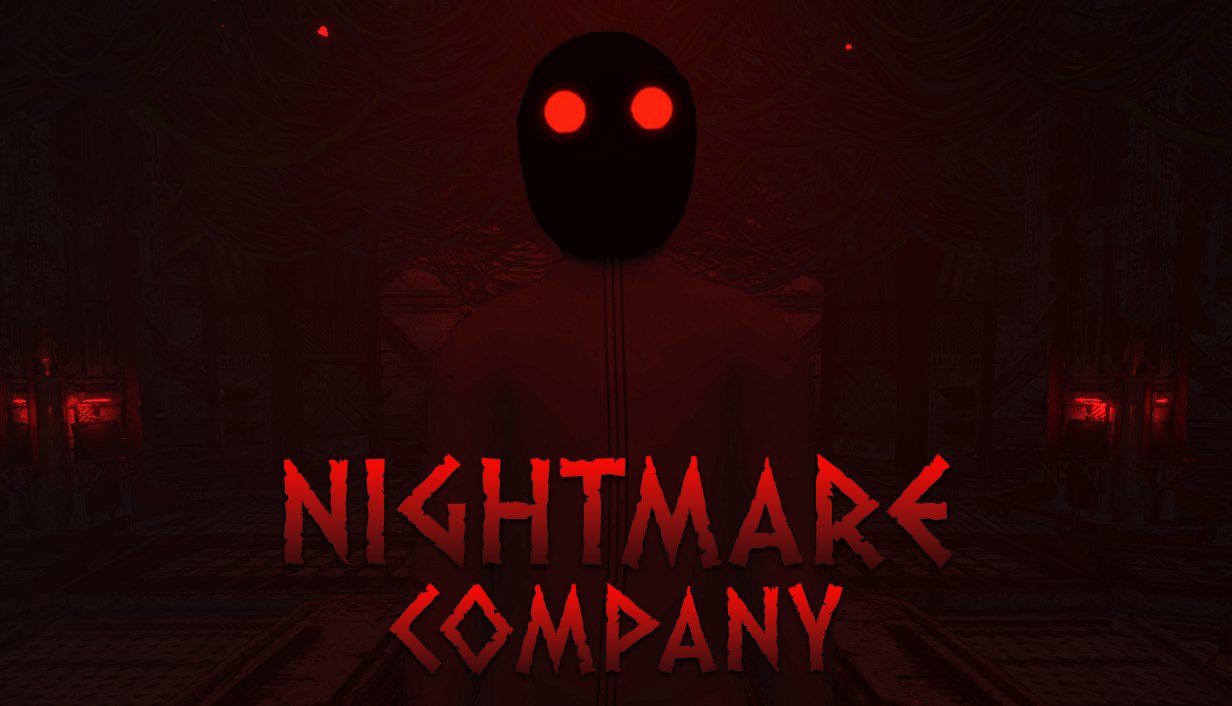
Nightmare Company key art — a masked figure with glowing red eyes standing in a dark red facility.

You work for a company that opened a door into the darkest corner of the human mind: the subconscious. Its clients can't stop having the same nightmare — the same trauma, playing on a loop every time they close their eyes. The company puts them under and sends someone in to find what's causing it. That someone is you.

The client can wake up at any second, and if you're still inside when they do, you're not coming back. Take what you can carry, watch the clock, and don't be the one who gets left behind.

genre
co-op horror / extraction / roguelite
view
first person
players
online co-op · up to 4
engine
Unity 6.4 · URP
netcode
Mirror + FizzySteamworks
made by
one person — design, code, art direction, store
status
early access · coming soon
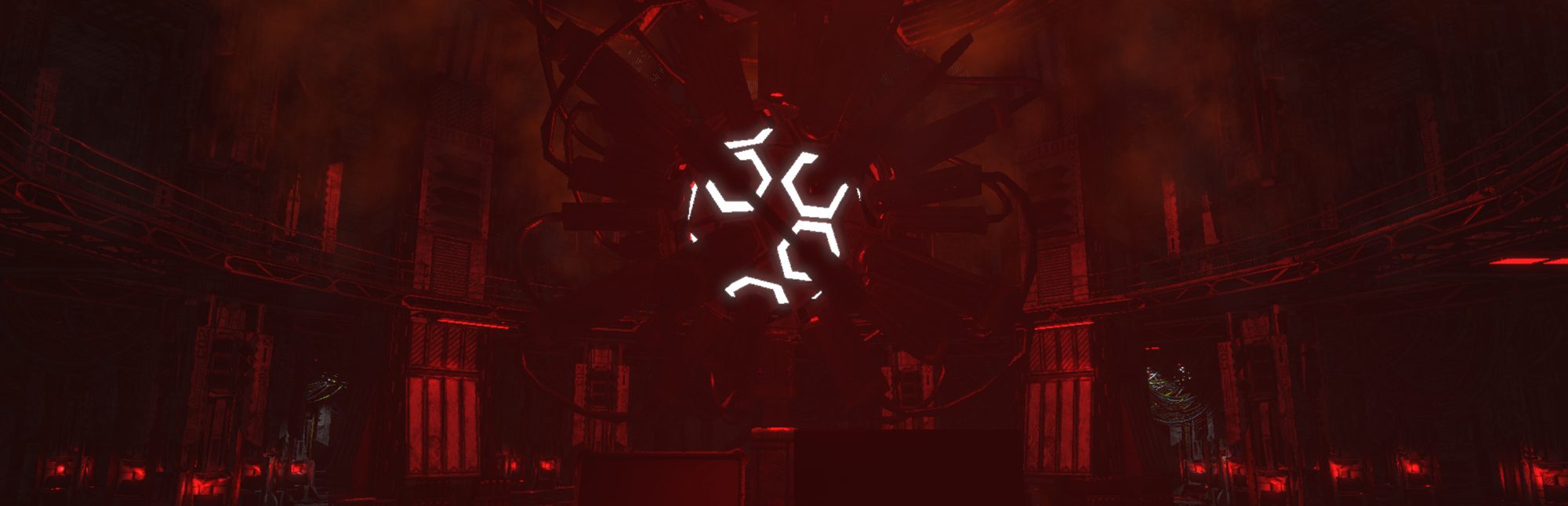
The hub's reactor core: a glowing white sigil suspended in a dark red machine hall.
The hub. Every shift starts here — the portal opens around the core.

a night on shift

  1. Choose a client at the hub terminal. The portal opens around the reactor core.
  2. Step through, and you're inside their mind — a place that is never laid out the way it was last time.
  3. Collect the nightmare artifacts feeding the loop, while something in there works out where you are.
  4. Bring up to three others. Someone can hold the terminal, watching the map and the portal, while the rest go deeper.
  5. Get back to the exit before things go wrong, then sell what you carried at the pit and spend it on gear.
  6. Take the next job. Miss the quota too many times and the Company stops being patient with you.
hub terminal — guest session type help

NIGHTMARE COMPANY // operations terminal

guest session — no clearance required


Type help to see what this terminal answers.

Wishlist on Steam the store page is live — the demo lands when the core loop does.


under the hood

what I actually built

The systems that were engineering problems before they were features — and what is honestly mine in each of them. Open one for the details.

Mirror · FizzySteamworks · server-authoritative

Four people in one world, with the server holding the truth.

The transport layer isn't mine — it's Mirror over Steam, and I say that plainly. My work is everything sitting on top of it: the game's inventory, economy and world state adapted onto that foundation, and the ownership rules that decide who is allowed to change what.

Most of the difficulty in co-op isn't sending messages. It's the seams — what happens to an object with a mind of its own when it changes hands mid-session.

graph-driven layouts · custom generation step

The dungeon is built fresh every run, and it is never the one you learned.

The generator I started from had a limitation baked into it that kept certain rooms from ever opening up. I found it, then replaced the step responsible with one of my own so the layouts could breathe the way the design needed.

Extended rather than patched — the change lives beside the original, so it survives every update to it.

proximity · walkie channel · the microphone is an input

Written for this game rather than bolted onto it.

Voices carry through space, so distance and walls matter. The walkie-talkie opens a channel to everyone else carrying one. The dead get a channel the living can't hear.

And your microphone is part of the game, not just a way to talk over it: how loud you are is something the dark can use.

sight and sound · not trigger volumes

Nothing in there is waiting for you to walk into a box.

Each species has its own senses, its own behavior and its own voice, and hunts on what it can actually see and hear. Two runs through the same room don't play the same way.

A body stays where it fell — which matters, because bodies are cargo you have to carry home.

custom shaders · fog · light worth being afraid of

Dark that actually reads as dark.

The renderer is set up so a lamp is a pool of light in near-black air rather than a lit room, and so the fog keeps its shape when you walk into it. Most of this game's horror budget is spent right here.

The cheapest scare is a jump cut. The expensive one is making a corridor feel wrong before anything happens in it.

three-day quota cycles · server-authoritative

Three days to make quota. Miss it, and the company handles it its own way.

What you drag home is what you're worth this cycle. Everything that can be earned or spent is decided on the server, never on the player's machine.

How the numbers actually resolve is deliberately not written down here.


say hi

If you're publishing, hiring, or you just want to argue about netcode — there's no inbox to get past here. It's one person, so you're always talking to the developer.

pexifystudios@gmail.com